With time and reflection, I realized how important this book truly was and what it should not be. It should not be a platform for attacking well-meaning, highly trained physicians. Nor should it alienate the very professionals who most need to engage with its message. My goal was never to insult intelligence. It was to confront blind spots. To question systems. To examine how even brilliant doctors can miss critical pieces when communication fails, when they lack the tools, or when they dismiss a patient’s concerns.
What stunned me most after that post was the response. Friends, followers, and even distant acquaintances came forward with their own stories. They shared accounts of medical neglect, delayed diagnoses, preventable complications, and, in some cases, outright malpractice. The volume was overwhelming. If I included every story shared with me, this book would be hundreds of pages longer. So, even if I don’t mention your story by name, please know that its essence lives within these pages. You will likely find your experience reflected in others' stories.
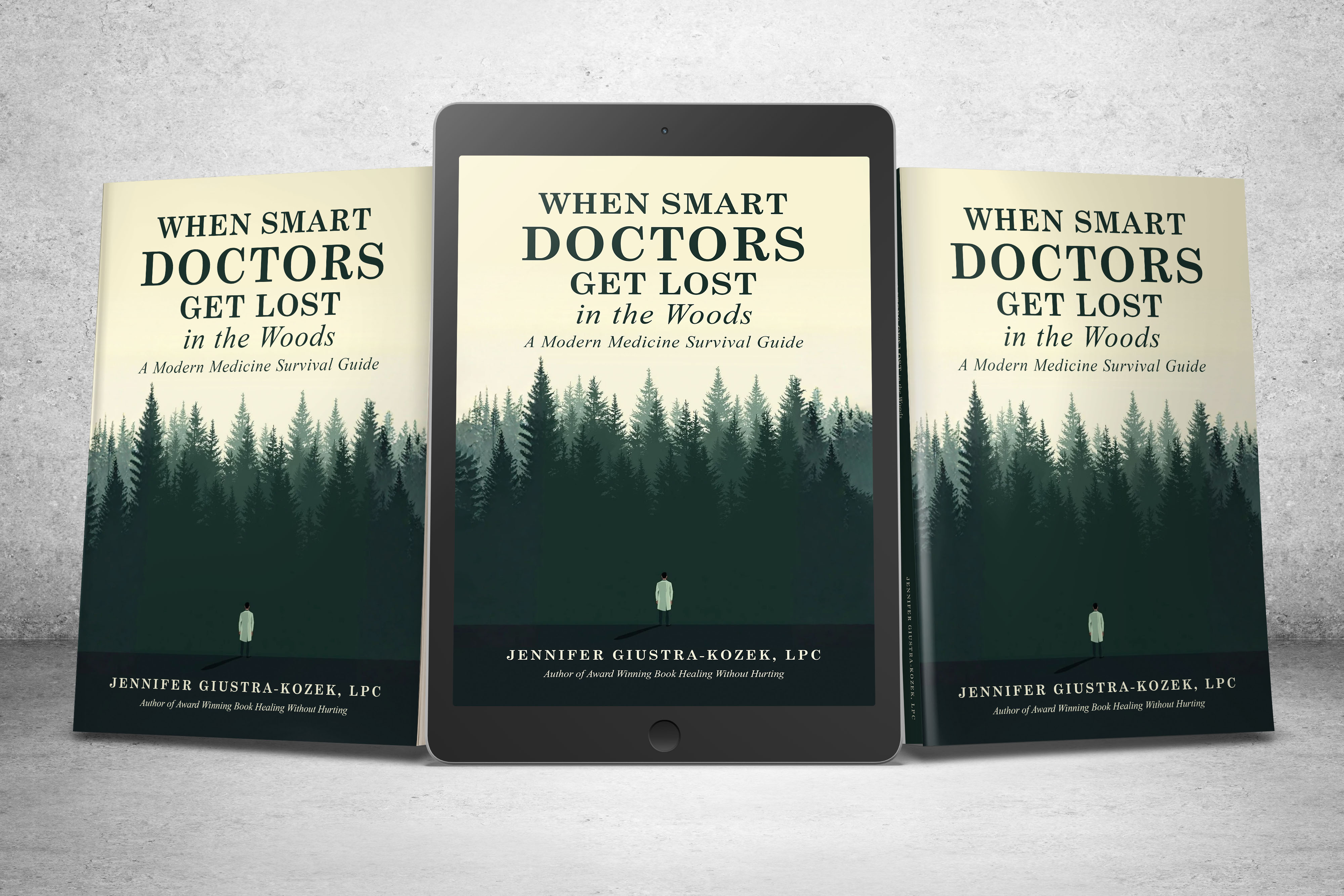
This book offers a practical roadmap to help you navigate an often-intimidating medical landscape. The modern allopathic system can be fast-paced, highly specialized, and, at times, emotionally sterile. Many physicians, even the most accomplished, can fall into what I call the “Intelligence Trap,” where deep expertise inadvertently creates blind spots. Others may struggle with what is sometimes described as a “God complex,” where overconfidence overshadows humility and collaboration.
Within the pages of this book, you’ll find relatable stories and real-life examples that illustrate how patients and families have learned to advocate effectively, and sometimes even prevent serious medical errors. But this is not merely a collection of anecdotes. You’ll also find practical scripts, strategies, and checklists designed to help you speak up with confidence, organize your medical records, ask better questions, and know when it’s time to seek a second opinion or change providers.
Even the most skilled doctors and surgeons are human and therefore fallible. Patients need their own systems of protection. Advocacy is not confrontation; it’s about partnership. This guide will teach you how to move from blind trust to informed collaboration, where your voice carries as much weight as your lab results.
To be fair, not all doctors fit the stereotypes that frustrate so many patients. Many allopathic physicians who practice conventional Western medicine do so with humility, intellectual rigor, curiosity, and deep compassion. That said, in my experience, practitioners trained in functional medicine, integrative medicine, osteopathic medicine, advanced practice nursing, and chiropractic care are often especially skilled at addressing root causes rather than focusing solely on symptom suppression. Collaboration across disciplines is not a luxury; it is essential. This book will help you recognize these differences and guide you toward providers who treat you as a whole person, not merely a diagnosis.
I truly hope you find the time to read it and share its release with your loved ones.
With Love and wellness,
Jennifer





0 Comments:
Post a Comment
<< Home